Introduction
In high-volume manufacturing, deploying automated AI quality inspection is the ultimate safeguard between the assembly line and the customer. Yet human visual quality control is inherently constrained: human inspectors experience visual fatigue after just 20–30 minutes of continuous scanning, leading to unpredictable slip-through rates for fine surface blemishes, seal misalignments, or microscopic cracks.
Challenges of Manual Inspection
Inspectors must evaluate parts passing by on conveyors at high speeds under shifting factory ambient lighting. Variations in product finish, subtle color fluctuations, and minor scratches make binary pass/fail judgments difficult to standardize across different operator shifts.
How AI Visual Inspection Works
Operating over our on-premise video analytics edge architecture, AI inspection pairs high-resolution industrial area-scan or line-scan cameras with custom neural networks trained on acceptable tolerances and known defect topologies:
- Surface Flaw Detection: Identifies dents, blisters, scratches, pinholes, and paint blemishes.
- Dimensional & Assembly Verification: Checks fastener presence, clip seating, wire routing, and connector latching, directly synchronizing with digital work instructions for worker guidance.
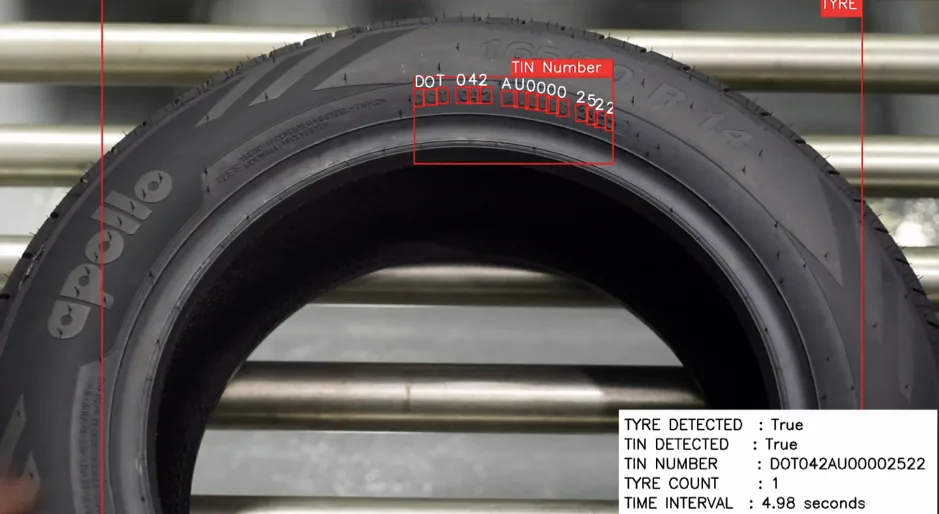
- Optical Character Recognition (OCR): Validates embossed DOT codes, batch serials, and barcode print fidelity.
- Subsurface Non-Destructive Testing: Interprets X-ray radioscopic imagery to detect internal voids and ply misalignments.
Improving Consistency and Complete Traceability
Unlike manual checkpoints that record only aggregated defect counts on clipboards, automated AI inspection saves a full-resolution digital snapshot of every single manufactured part, linking it to the product's serial barcode. If a customer questions a delivered batch months later, the manufacturer can produce photographic proof of perfect factory clearance.
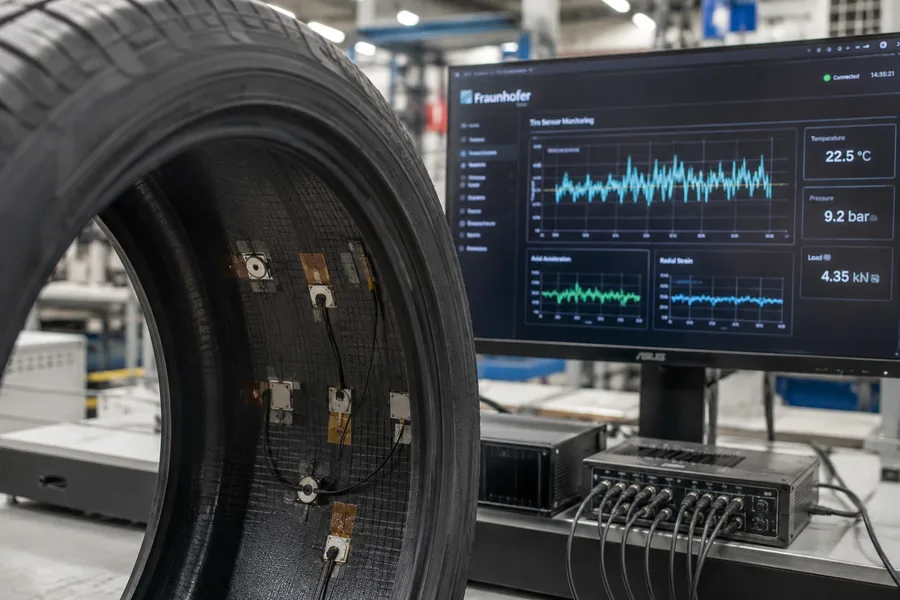
Deploying YAFE inline optical inspection enabled automated verification of over 15,000 tyres per day with a 99.2% accuracy rate, eliminating human sorting errors on the export shipping dock.
Conclusion
AI-powered visual inspection frees skilled inspectors from mindless repetitive staring, elevating their role to root-cause process optimization while reducing operator strain with ergonomics AI. By deploying reliable machine vision from our manufacturing intelligence suite, manufacturers protect their brand reputation and achieve near-zero escape rates.
← Back to All YAFE Technical Insights